How to stop tomato blight before it ruins your harvest
There are two things people call blight and they behave completely differently. Getting them mixed up is why so much advice does not work.
Early blight is the common one. Brown spots with concentric rings, like a target, starting on the lowest leaves and working up. It is soil borne, it overwinters in debris, and it splashes up onto the plant when it rains.
It is slow. It will reduce your crop and it rarely kills the plant outright.
Late blight is the serious one. Large greasy grey green patches on leaves and stems, white fuzz on the undersides in humid weather, and firm brown lesions on the fruit.
It moves fast. A plant can go from healthy to collapsed in under a week, and it spreads on the wind for miles. This is the disease of the Irish potato famine and it is still the same organism.
If you have late blight, the plant is finished and the priority becomes not spreading it.
What actually prevents it
Airflow, first and always.
Space plants further apart than you want to. Three feet for indeterminate varieties, and I know that feels wasteful in a small garden. Crowded tomatoes in a humid southern summer are a disease nursery.
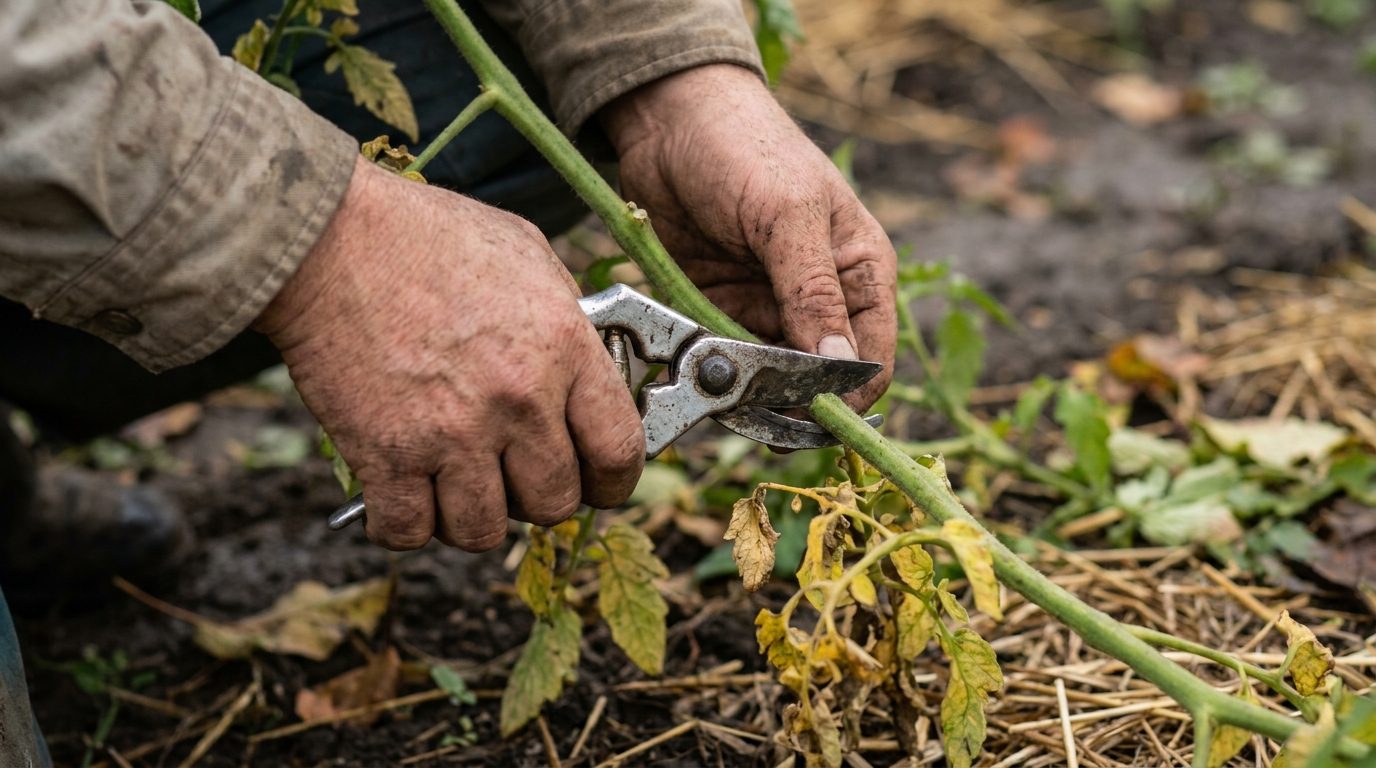
Prune the bottom twelve inches of foliage off every plant once it is established. Nothing touching the ground. This single act does more against early blight than any spray, because it removes the splash pathway.
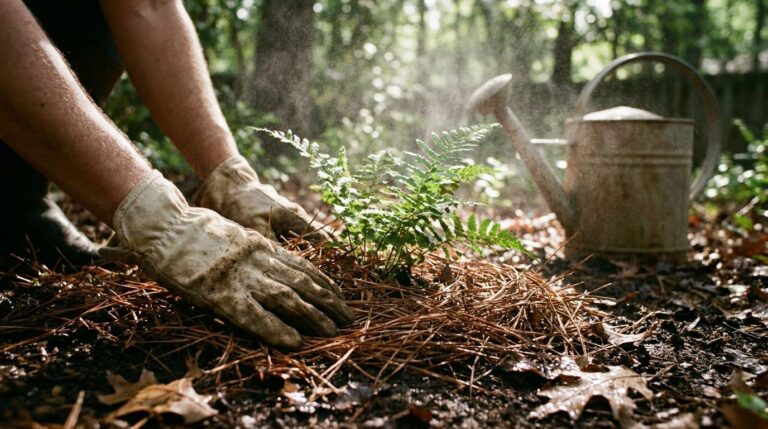
Mulch heavily. Straw, shredded leaves, even landscape fabric. The mulch stops soil splashing onto leaves, and soil splash is how the spores arrive.
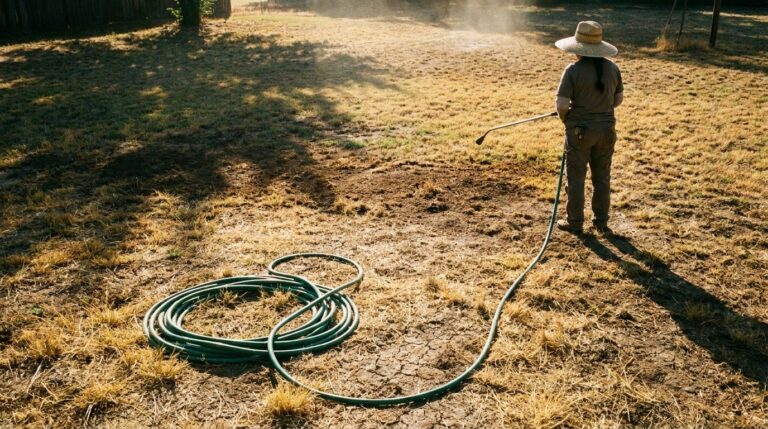
Water at the base, in the morning, never on the leaves. A soaker hose is ideal.
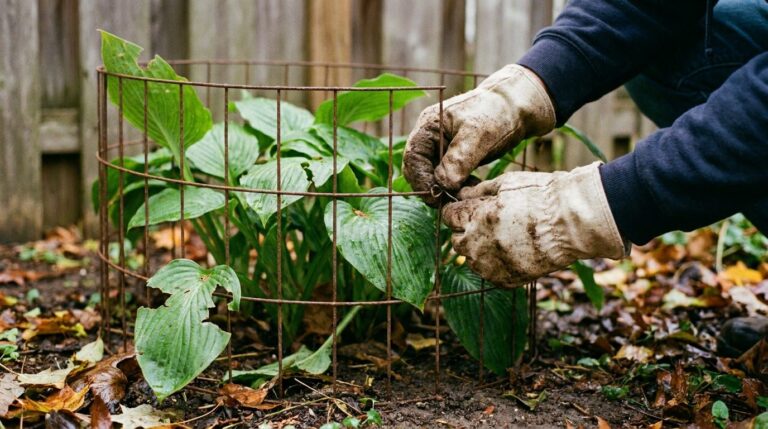
Stake or cage everything so it is off the ground and open to air.
Rotate. Do not plant tomatoes where tomatoes, potatoes, peppers or aubergines grew in the past three years. The pathogens persist in the soil.
Clean up in autumn. Remove every scrap of tomato debris and do not compost it. Early blight overwinters in that material and reinfects next year's crop from your own garden.
Varieties
This is where the most progress has been made and where gardeners pay the least attention.
Resistant varieties exist for both diseases and the resistance is real. Look at the letters after the variety name in a catalogue, and look specifically for late blight resistance if you garden anywhere humid.
I would rather grow a resistant variety that is good than an heirloom that dies in July, and I say that as somebody who loves the heirlooms.
If you must grow susceptible heirlooms, grow them alongside resistant ones, so a bad year does not take everything.
Treatment, honestly
For early blight caught early, removing affected leaves and improving airflow often holds it.
Copper based fungicides and products containing chlorothalonil are the standard options and both are preventative rather than curative. They protect tissue that is not yet infected. Spraying after the disease is established achieves very little.
If you spray, start before you see symptoms, follow the label, and reapply after rain.
For late blight, remove and destroy the plants. Bag them, bin them, or burn them. Do not compost. Do not leave them lying at the end of the garden.
And tell your neighbours, which people find awkward and which genuinely matters, because late blight spreads on the wind and a neighbouring garden is close enough.
What I do here
Resistant varieties, wide spacing, bottom leaves stripped, heavy straw mulch, drip irrigation, and a preventative copper spray starting in June when our humidity arrives.
I still get early blight most years, later and milder than I used to. I have had late blight twice in thirty years and both times lost everything.
The goal is not a perfect plant. The goal is to get the harvest in before the disease catches up, and every one of those measures buys you a couple of weeks.