Why your southern clay soil is killing your plants
The red clay in this part of the southeast is not bad soil. It is mineral rich and it holds nutrients extremely well. What it does not do is let water and air move through it, and that is what kills plants.
Understanding the difference changes what you do about it.
What clay actually is
Soil particles come in three sizes. Sand is large, silt is medium, clay is very small and flat.
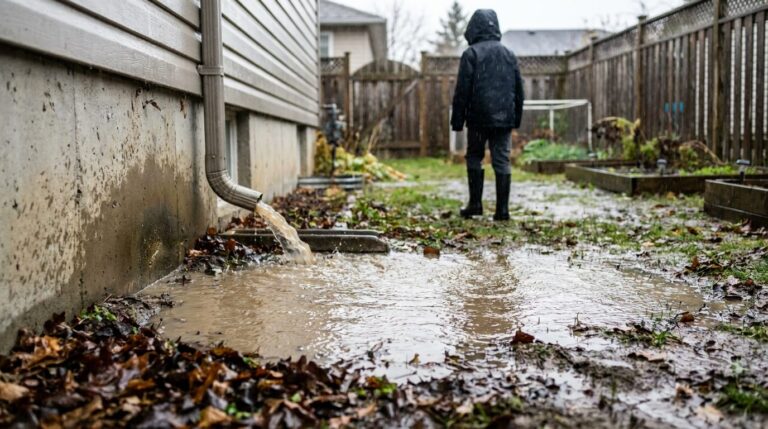
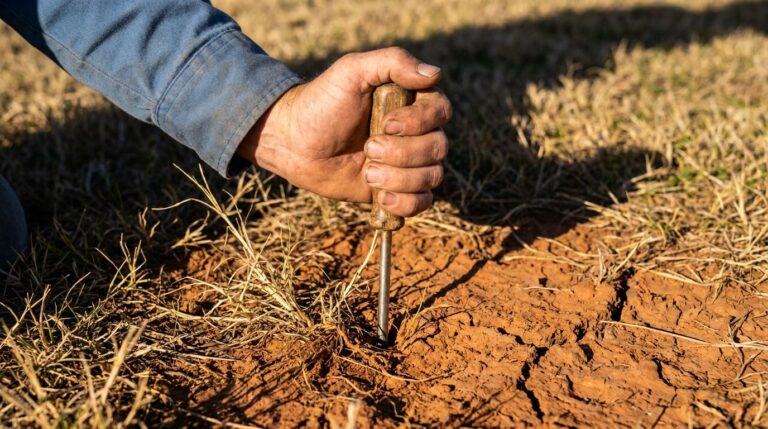
Those flat particles stack like plates. When wet they swell and seal, and when dry they shrink and crack. Either way there is very little pore space for air.
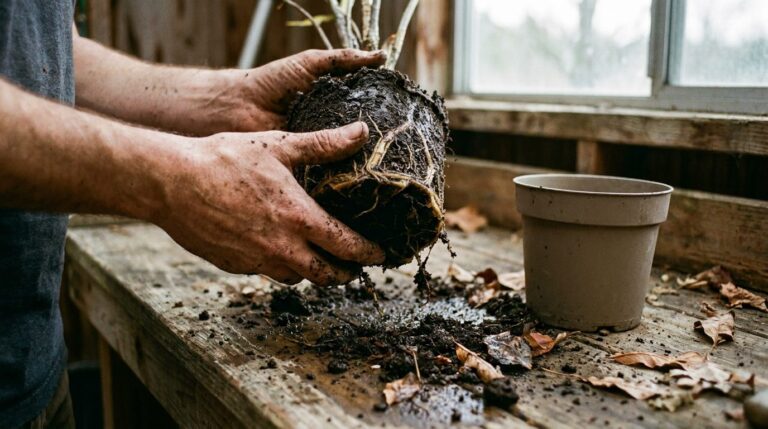
Roots need oxygen. A root sitting in saturated clay drowns, and the plant dies of something that looks exactly like drought because a dead root cannot take up water.
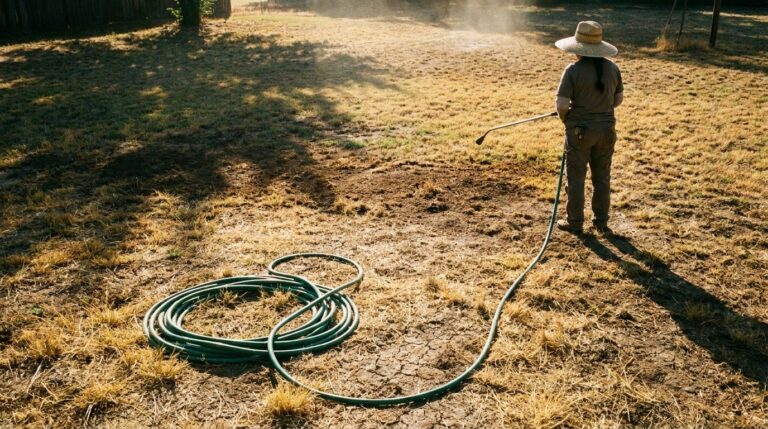
That is the thing people get wrong most often. A wilting plant in clay is frequently wilting from too much water, not too little, and watering it finishes the job.
How to tell what you have
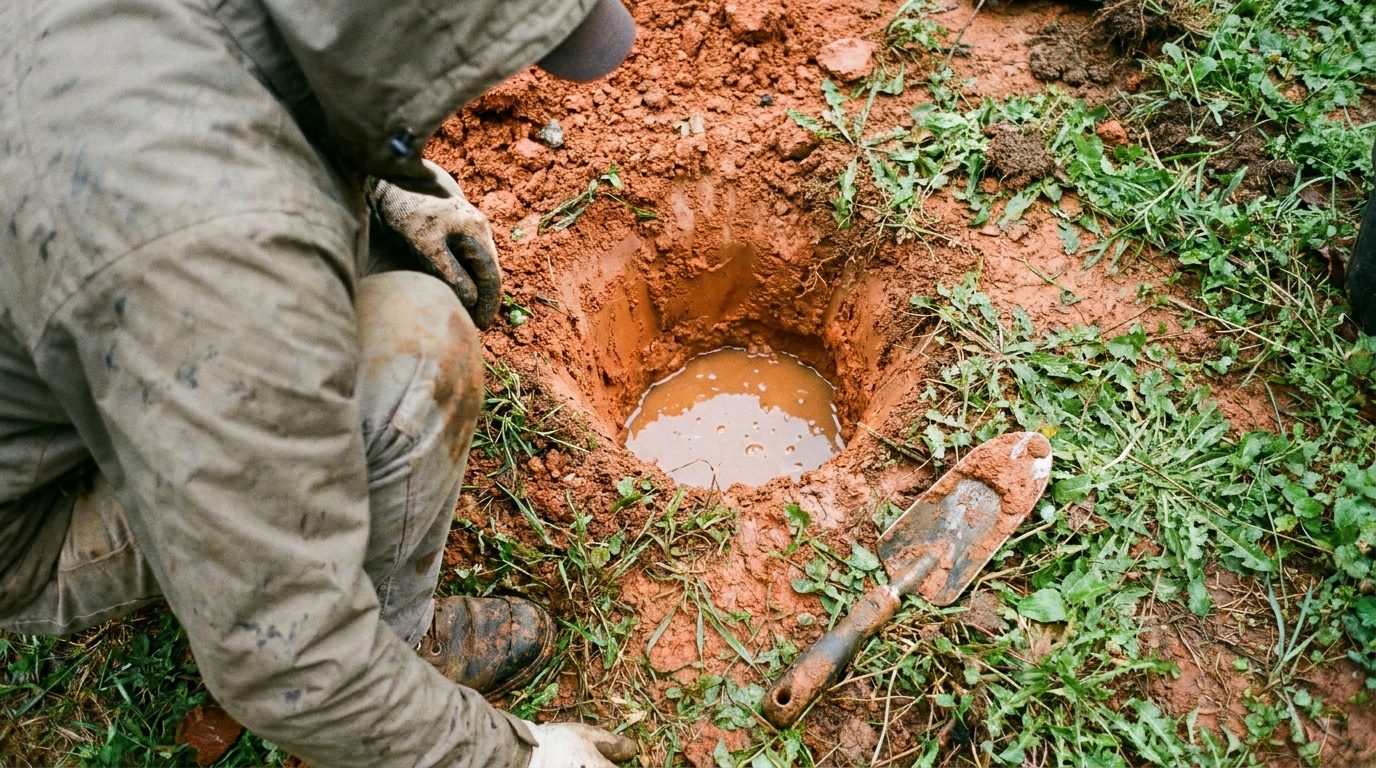
Dig a hole about a foot deep and a foot across. Fill it with water, let it drain completely, then fill it again and time how long the second filling takes to disappear.
Under four hours is good drainage. Four to twelve is workable. Over twelve hours and you have a real problem, and over twenty-four you should not plant anything that is not a bog plant.
Do this before you buy anything. It is the single most useful hour you can spend in a new garden.
What actually improves it
Organic matter. That is the whole answer and everything else is commentary.
Compost, leaf mould, aged manure, shredded leaves. Organic matter gets between the clay plates, creates structure, and holds pore space open. It also feeds the soil organisms that build structure themselves.
Two to four inches spread on the surface every year. Do not dig it in deeply if you can avoid it, because digging destroys the structure you are trying to build. Spread it on top and let the worms take it down. They are better at it than you are.
This is slow. Two seasons before you see much, five before it is genuinely different. I have been adding compost to the same beds for nineteen years and they are now excellent, and the improvement was not visible in year one.
What makes it worse
Sand. Everyone suggests it and it is the single worst thing you can do. Clay plus sand in the wrong proportion is close to concrete, and you would need an enormous volume to change the texture. Do not.
Working it when wet. Digging or walking on wet clay compacts it and destroys structure, and that damage lasts years. If a handful squeezes into a sticky ball, stay off it.
Tilling repeatedly. It looks good for a season and it breaks down structure and creates a hard pan below the tilled depth.
Compaction generally. Wheelbarrows, feet, dogs. Define paths and stay on them.
The faster route
Raised beds, or mounded beds, which are the same idea without the timber.
If you build up six to twelve inches above the clay, you have given the roots somewhere to be and drainage happens sideways. This is how I grow vegetables here and I gave up fighting the native soil for annuals a long time ago.
For trees and shrubs, do not dig a deep hole and fill it with good soil. That creates a bathtub: water flows into the improved soil, hits the clay, and sits. Dig wide and shallow, plant slightly high, and mulch. The roots will spread outward, which is what they want to do anyway.
Plants that do not mind
If you would rather work with it than against it, a good many natives are entirely happy in clay: oakleaf hydrangea, itea, clethra, inkberry, black eyed Susan, baptisia, switchgrass, bald cypress in a wet spot.
Those plants evolved here. The soil is not a problem for them and it never was.