What your weeds are trying to tell you about your soil
Weeds are opportunists and they are specific about which opportunity they take. A plant that colonises your garden without being invited is telling you what conditions you have, and reading that is faster and cheaper than most diagnostics.
With one caveat I will come to at the end.
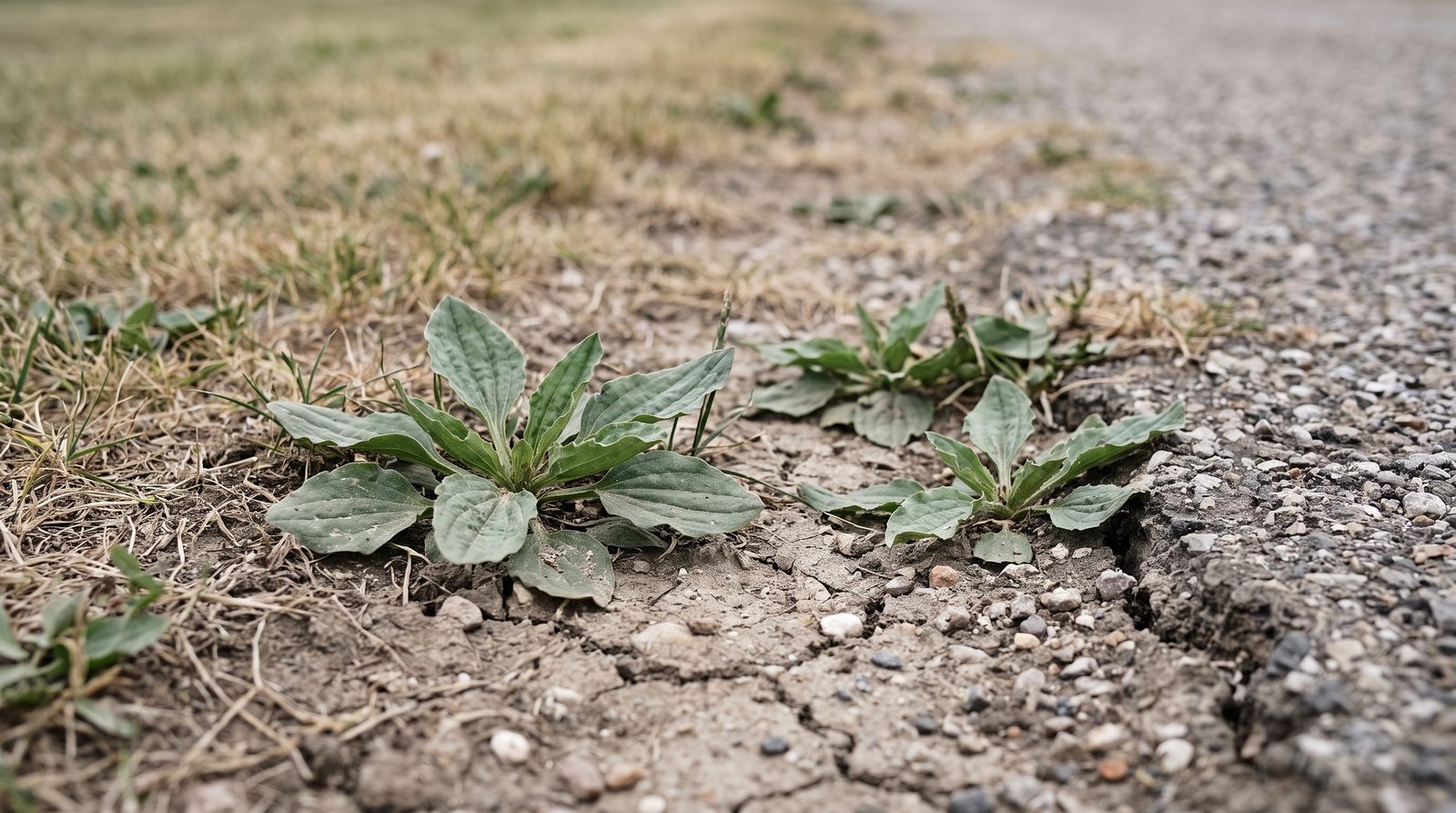
Compaction
Plantain, the broad leafed kind with the ribbed leaves, is the classic indicator. It grows in paths, along driveways, and in the strip beside a walkway where everybody steps.
Knotweed, the low sprawling prostrate kind, is the same story.
Both have root systems that manage where other plants cannot get air, and where they appear, the soil has been walked on, driven on, or worked when wet.
The fix is aeration and organic matter, and staying off it.
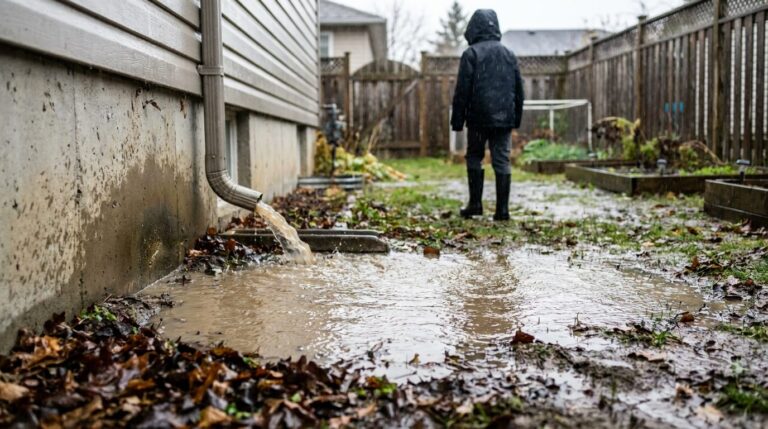
Poor drainage
Sedges, which look like grass and are not, with triangular stems you can feel by rolling them between your fingers. If you have nutsedge, you have a wet spot.
Rushes, moss, and creeping buttercup say the same thing.
Moss in a lawn is usually blamed on shade and acidity, and it is more often compaction and wet. Killing the moss without fixing the drainage just gives you bare ground for a season.
Low fertility
Clover was a sign of low nitrogen long before anyone sold weed and feed. Clover fixes its own nitrogen, so it thrives where grass is starving.
This is why a lawn full of clover is frequently a lawn that needs feeding rather than a lawn that needs herbicide. And clover in a lawn is genuinely good for it, which is a separate argument I have had many times.
Yarrow, and the hawkweeds, also indicate poor thin soil.
High fertility
Chickweed, henbit, lamb's quarters and purslane like rich soil with plenty of nitrogen.
They frequently appear in vegetable beds, which is not a problem, it is a compliment. Lamb's quarters and purslane are also both edible and rather good, which is worth knowing before you pull them.
Acidity and alkalinity
This is where I would be most cautious, because the folklore is stronger than the evidence.
Sorrel and horsetail are often listed as acid indicators. Horsetail is a better indicator of wet and poor than of acidity specifically.
Chicory and Queen Anne's lace are often given as signs of alkaline soil.
I would treat all of these as a hint rather than a measurement. Soil pH is cheap to test properly and guessing from weeds is not reliable enough to act on.
Recent disturbance
A flush of annual weeds all germinating at once means soil has been disturbed and a seed bank has been brought to the surface with light.
This is why a newly dug bed produces a crop of weeds that had not been there before. They were there. They were asleep.
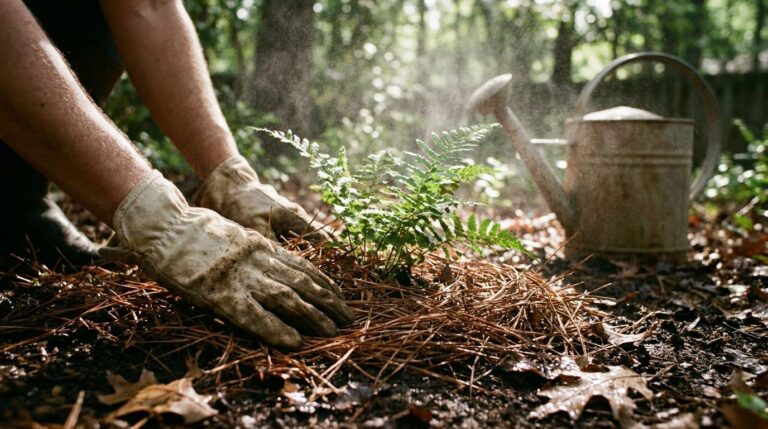
Minimum disturbance and mulch are the answer, not more digging.
The caveat
Weeds tell you about conditions. They do not tell you the whole story and they can mislead.
Many weeds are simply generalists that grow anywhere. Dandelion is often cited as an indicator of compaction and it is honestly an indicator of being outdoors.
Seeds arrive by wind, on boots, in birds, and in bought compost, and a plant may be present because it landed there rather than because conditions favour it.
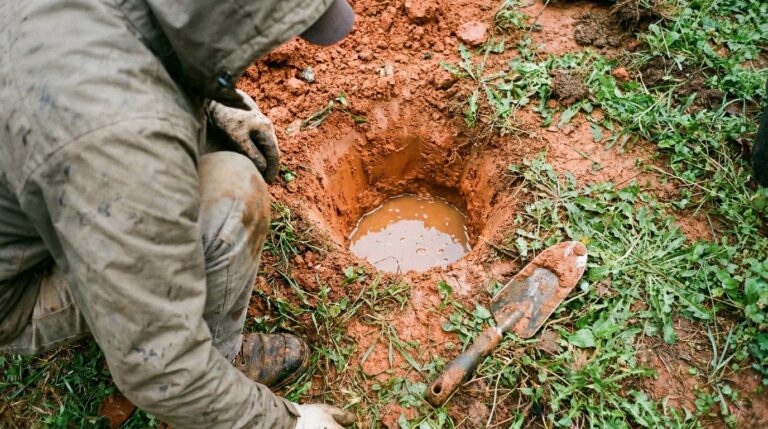
So use them as a prompt to look. If you have sedge in one corner, go and dig a hole there and see whether it drains. If you have plantain along one edge, look at whether that is where everybody walks.
The weeds are pointing. The confirmation is a spade and ten minutes, and that is the part people want to skip.